Why Push-Start Systems Still Require Physical Key Programming Knowledge
Push-start vehicles may not require a traditional ignition key, but they still depend on programmed electronic credentials and mechanical access components. Behind every successful start is a security system that must recognise an authorised key fob before allowing the engine to operate.
At Suresafe Locksmiths, we understand why modern vehicle security requires both electronic programming expertise and traditional locksmith skills. As a car locksmith in Toowoomba, we help vehicle owners navigate the complexities of automotive keys, including modern keyless entry and push-button ignition systems.
Although smart keys have changed how drivers access their vehicles, the underlying principles of key identification, mechanical access and immobiliser security remain essential.
How Do Push-Start Vehicle Systems Work?
Push-start vehicles use electronic communication between a smart key fob and the vehicle's security system. Instead of inserting a physical key into the ignition, drivers can start their vehicle by pressing a button when an authorised fob is detected. The process typically involves several components working together. The vehicle detects the fob, exchanges coded information and checks whether its credentials are recognised by the immobiliser system. If the required conditions are satisfied, the vehicle permits the engine to start.
Modern systems may use encrypted communication and additional security checks to prevent unauthorised access. Their exact operation varies between manufacturers and vehicle models. This is why replacing a push-start key involves more than purchasing another remote. The replacement must be compatible with the vehicle and correctly registered with its security system.
Why Physical Keys Still Matter
Despite advances in keyless technology, many push-start vehicles retain mechanical components that remain important for everyday access and emergency situations.
Emergency Key Blades
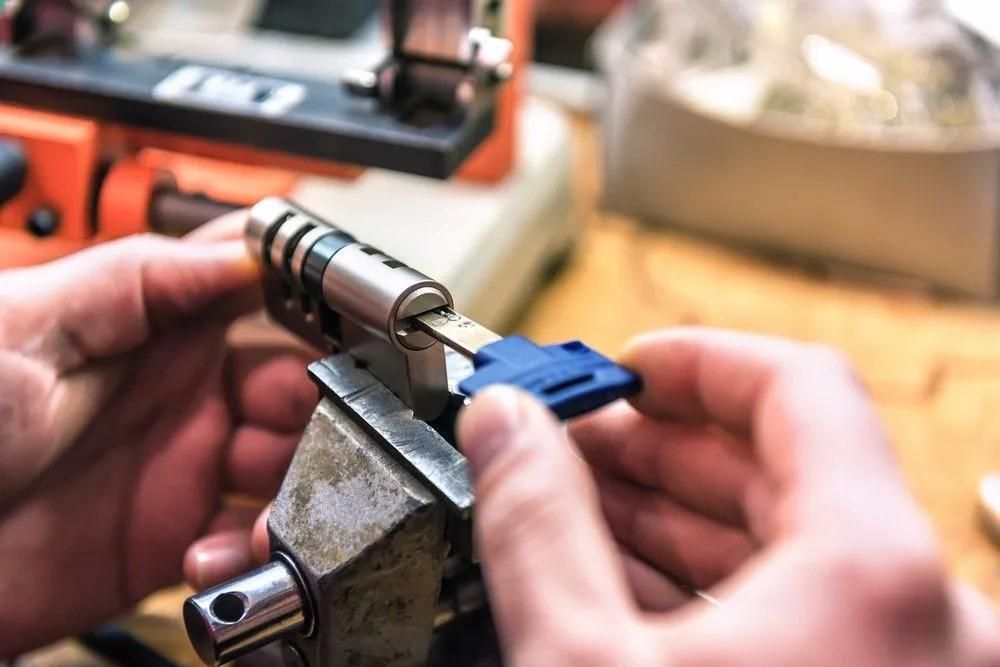
Many smart key fobs contain a removable emergency key blade. This mechanical key can provide access to the vehicle when the fob battery is depleted or electronic unlocking becomes unavailable. However, unlocking the door doesn't necessarily authorise the engine to start. Mechanical access and electronic immobiliser recognition are separate functions. Automotive locksmiths therefore need traditional key-cutting knowledge alongside an understanding of electronic vehicle security.
Key Housings and Internal Components
A smart key contains more than its external buttons. Depending on the design, it may house electronic circuitry, antennas, battery contacts and components responsible for communicating with the vehicle. Physical damage to the housing can expose sensitive components to moisture, dirt or impact damage. A cracked casing or damaged circuit board may affect the fob's operation even when the battery is functioning. Identifying whether a problem involves the housing, electronics or vehicle itself requires careful assessment.
Transponder Technology
Transponders remain fundamental to many modern vehicle security systems. They allow the vehicle to identify an authorised key using coded electronic information. Although traditional transponder keys and modern proximity fobs operate differently, both rely on electronic authorisation rather than the shape of a metal key alone. Understanding these technologies helps locksmiths distinguish mechanical access problems from electronic recognition faults.
Why Key Programming Remains Essential
Modern key programming involves establishing or restoring the authorised relationship between a vehicle and its key. A compatible replacement fob generally needs to be registered with the vehicle's immobiliser or associated security modules. Depending on the manufacturer, this may involve diagnostic equipment, security authorisation and vehicle-specific programming procedures.
Some systems store relevant information across multiple electronic control modules rather than relying on the engine control unit (ECU) alone. This makes accurate identification of the vehicle's security architecture particularly important.
Programming procedures also differ between vehicles. A method suitable for one model may be inappropriate for another, even when the keys appear similar. Professional automotive locksmiths must understand these differences to avoid incorrect key registration, unsuccessful programming or unnecessary replacement of functioning components.
Common Problems With Push-Start Keys
Push-start systems can develop faults involving the fob, vehicle electronics or communication between them. Several problems can produce similar symptoms, so accurate diagnosis matters.
Flat Key Fob Batteries
A depleted fob battery may prevent normal proximity detection or remote unlocking. However, some vehicles provide a manufacturer-specified backup starting procedure that can recognise the key through another method. Replacing the battery is often a sensible initial check, but persistent problems may require further investigation.
Damaged Key Electronics
Water exposure, impact damage and deteriorating internal connections can interfere with smart key operation. A fob might unlock the vehicle intermittently, fail to communicate reliably or stop working entirely. Depending on the damage, repair or replacement may be appropriate.
Key Recognition Problems
A vehicle may display a key-not-detected warning even when the fob is nearby. Possible causes include communication faults, electronic interference, damaged components or problems with stored key credentials. Although key desynchronisation can occur in some systems, it shouldn't be assumed to be the cause without testing.
Vehicle Electrical Faults
A push-start problem isn't always caused by the key. A weak vehicle battery, faulty antenna, wiring problem or malfunctioning security module may prevent normal operation. For example, a hypothetical driver might replace their fob battery after receiving a key recognition warning, only to discover that the vehicle's electrical system is responsible. Proper diagnosis helps avoid replacing keys unnecessarily.
Why Traditional Locksmith Skills Remain Relevant
Automotive locksmithing now combines mechanical expertise with electronic diagnostics. Neither skill set completely replaces the other.
Traditional knowledge remains useful for cutting emergency key blades, understanding lock cylinders and assessing physical access problems.
Electronic expertise is necessary for identifying compatible fobs, diagnosing immobiliser faults and completing authorised programming procedures. A locksmith must also understand how these systems interact. A vehicle might have a correctly cut emergency key but an unrecognised electronic credential, or a functioning smart fob with a damaged mechanical blade.
These situations require different solutions, even though both involve the same vehicle key. For owners of 4WDs, fleet vehicles and modern passenger cars, this combination of knowledge is particularly valuable when arranging replacement keys or investigating access problems.
When Should You Contact an Automotive Locksmith?
Professional assistance is worth considering when your vehicle repeatedly fails to recognise its key, a smart fob becomes damaged or you lose access to an authorised key. You may also need help when purchasing a replacement fob, obtaining a spare key or investigating a problem that remains after replacing the battery.
Before arranging assistance, record your vehicle's make, model and year, along with the symptoms you're experiencing. Explain whether the vehicle unlocks normally, displays warning messages or fails to start. Having these details available helps determine what diagnostic equipment and key options may be appropriate. Proof of vehicle ownership or authorisation may also be required before replacement or programming work proceeds.
Modern Vehicle Security Still Depends on Locksmith Expertise
Push-button ignition has made everyday driving more convenient, but it hasn't eliminated the importance of mechanical keys or specialist programming knowledge. Modern vehicle security relies on physical components, electronic credentials and communication between multiple systems.When problems occur, identifying the actual fault is more useful than assuming every warning requires a replacement key. Understanding both traditional locks and modern immobiliser technology supports more accurate diagnosis and appropriate repairs.
At Suresafe Locksmiths, we understand the challenges associated with modern automotive keys and vehicle access. If you need a car locksmith in Toowoomba, contact our team to discuss your vehicle's key, access or programming requirements.
Frequently Asked Questions
Can a Push-Start Car Work With a Flat Key Fob Battery?
Some vehicles have a backup starting procedure that allows the car to recognise a fob with a depleted battery. The method varies between manufacturers, so consult your owner's manual. If the backup procedure fails, further diagnosis may be necessary.
Can You Program a Replacement Smart Key Yourself?
Some vehicles support limited owner-programming procedures, but many modern systems require specialised equipment or security authorisation. Compatibility and programming requirements depend on the vehicle. An automotive locksmith can assess the available options.
Does Replacing a Key Fob Battery Erase Its Programming?
Usually, replacing the battery doesn't erase a smart key's stored credentials. If the fob stops working afterwards, check battery installation and compatibility first. Persistent problems may involve damaged contacts or another electronic fault.
Can a Locksmith Replace a Lost Push-Start Key?
Automotive locksmiths may be able to supply and program replacement smart keys, depending on the vehicle and available equipment. Some models require manufacturer-specific procedures or authorisation. Vehicle ownership verification is generally required.
Is a Push-Start Key the Same as a Transponder Key?
Not exactly. Traditional transponder keys typically combine a mechanical ignition key with electronic immobiliser identification. Push-start smart keys usually use proximity communication and electronic authorisation without inserting a key into the ignition. Both rely on recognised security credentials.